Discover Shokunin
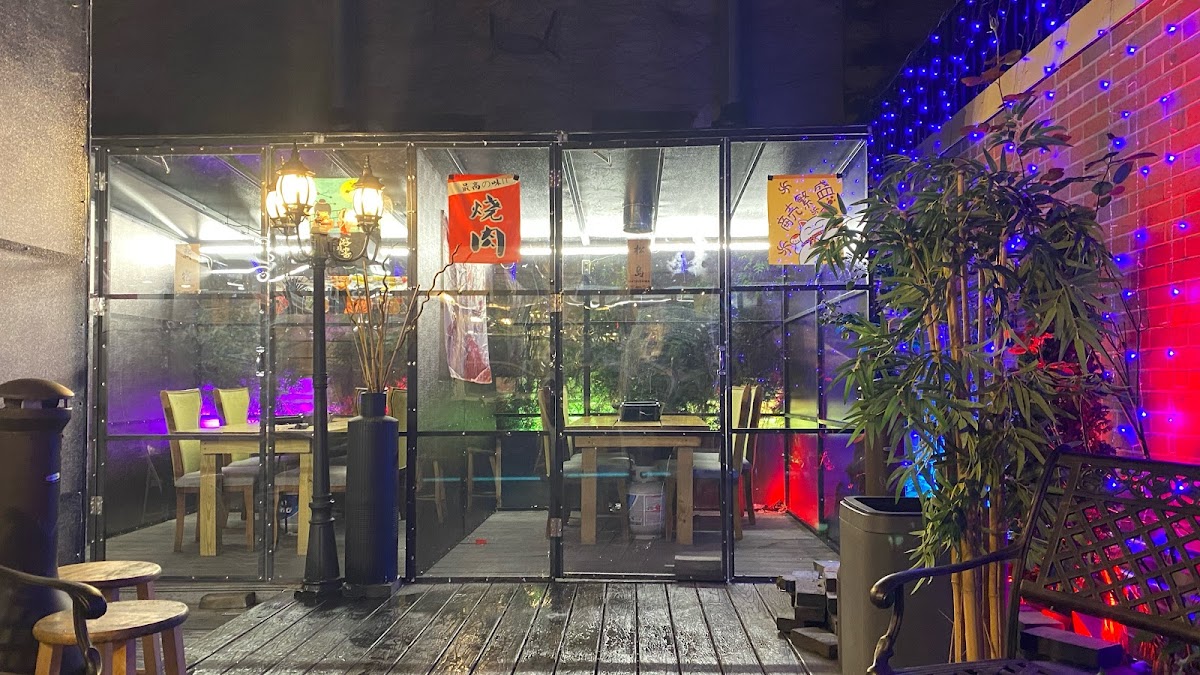
Walking into Shokunin for the first time felt like stepping into a calm pocket of Brooklyn where craft actually matters. The diner sits at 952 60th St, Brooklyn, NY 11219, United States, tucked into a neighborhood that doesn’t try too hard to impress-and that’s exactly why it works. I’ve eaten across the borough for years, from late-night counter joints to chef-driven tasting rooms, and this place lands comfortably in the middle: serious about food, relaxed about everything else.
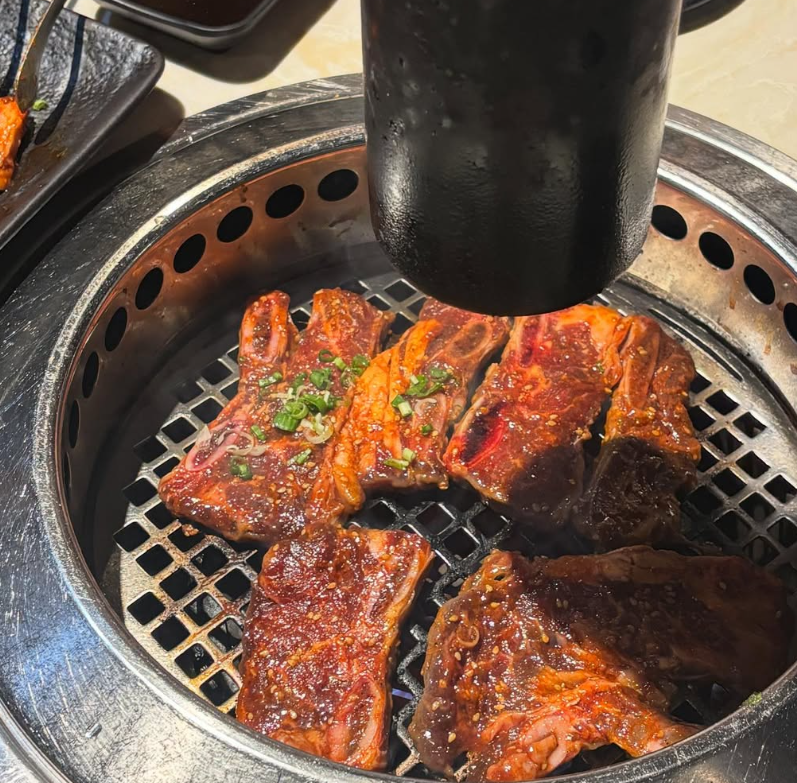
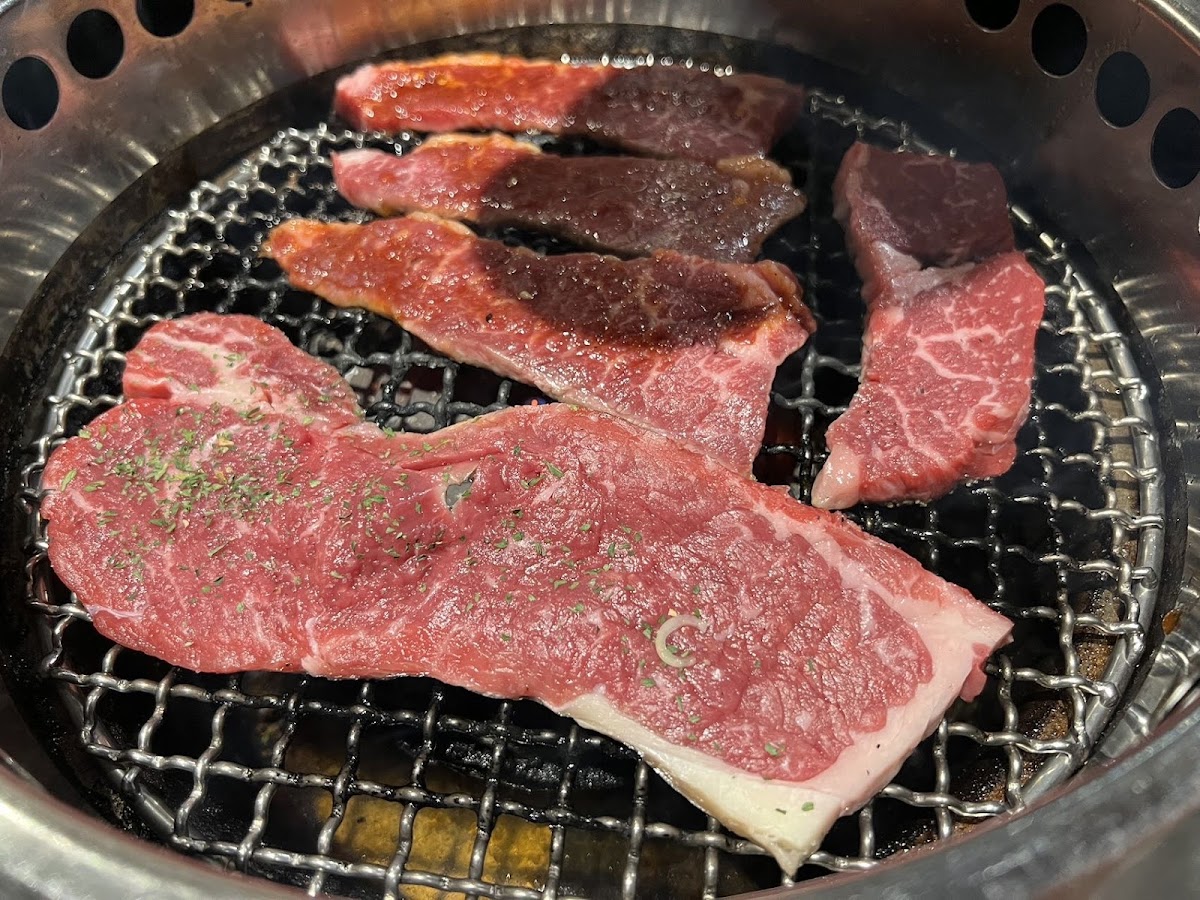
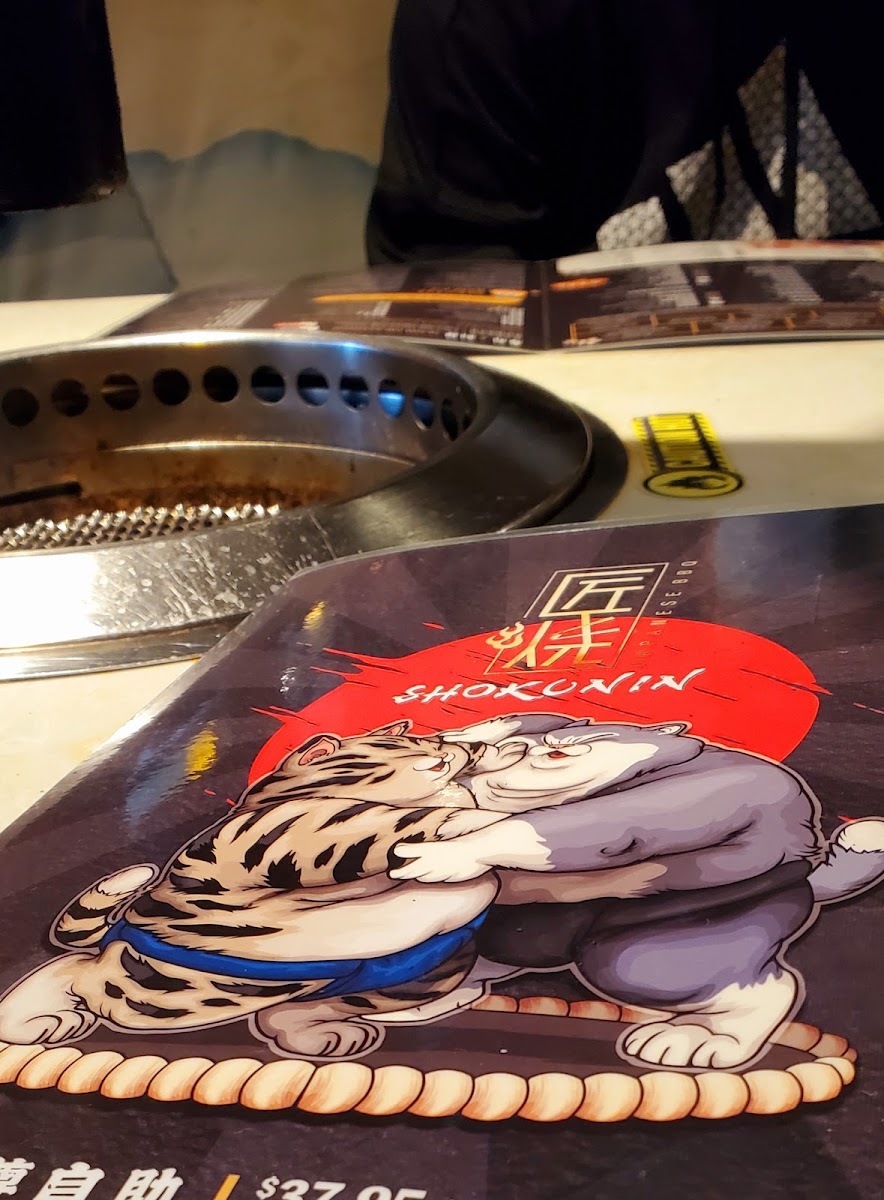
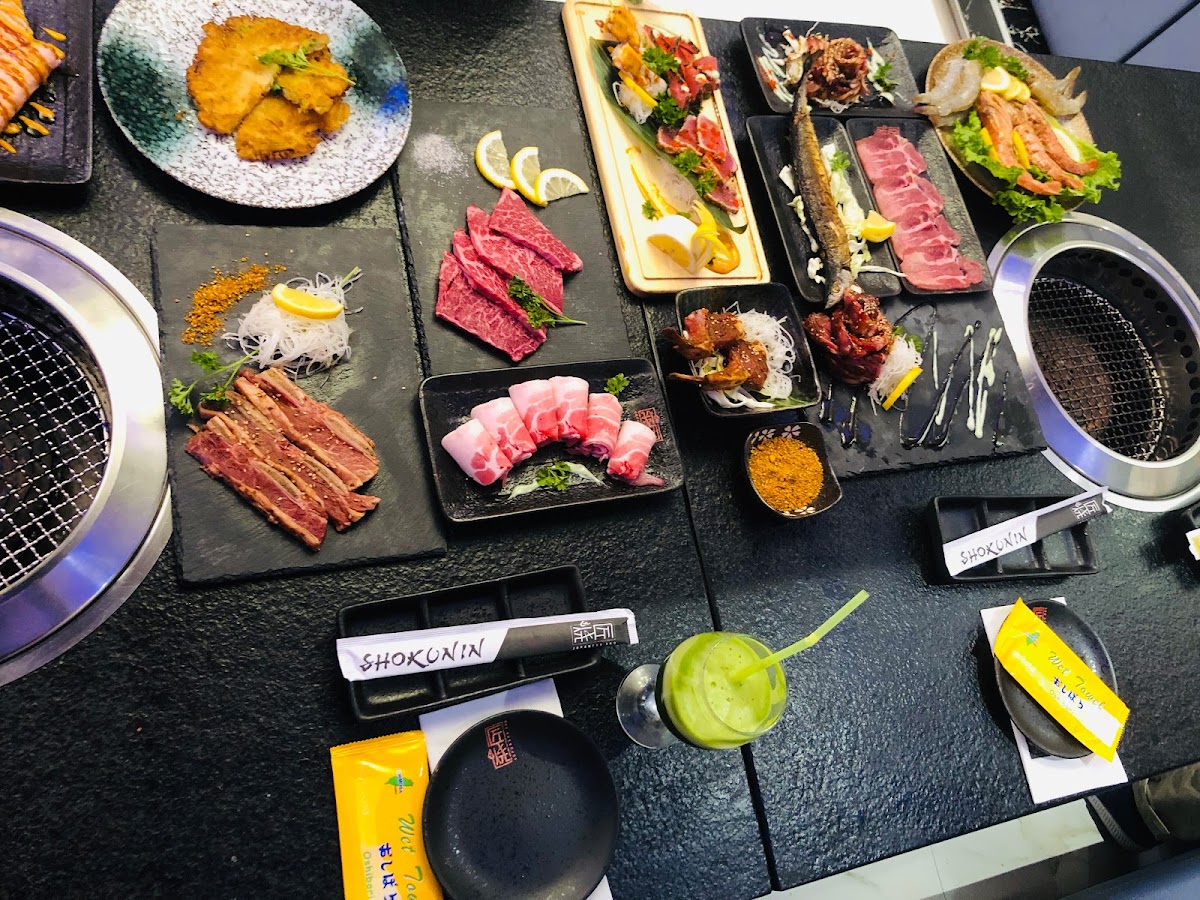
The word shokunin in Japanese culture refers to a craftsperson devoted to mastering their skill, and that philosophy is obvious the moment the menu hits the table. Instead of overwhelming you with endless options, the menu is tight and intentional. I noticed regulars ordering without looking, which is always a good sign. During my last visit, I watched the kitchen staff work with almost quiet precision-knives moving efficiently, plating done with care, nothing rushed. That kind of discipline is often discussed by culinary schools like the Culinary Institute of America as a core marker of long-term kitchen success, especially in smaller restaurants.
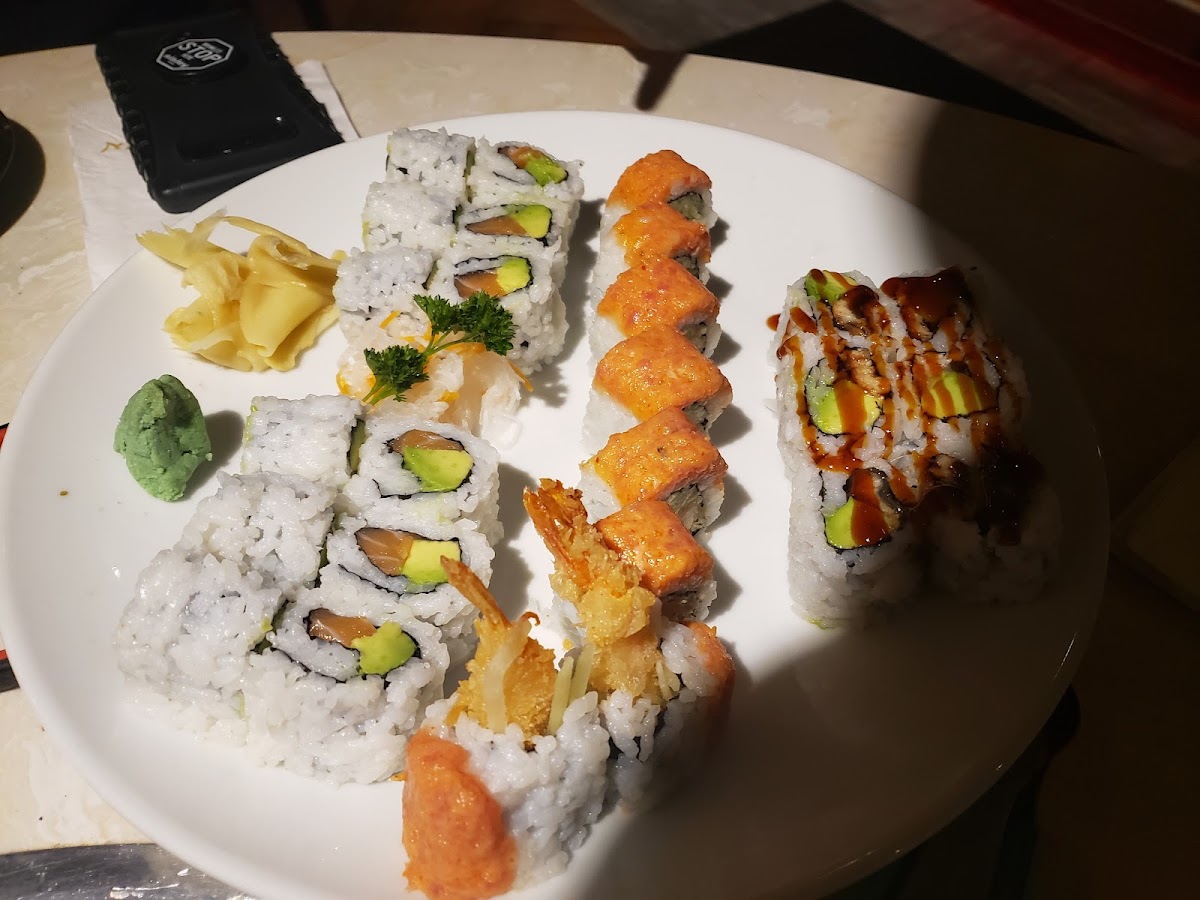
One dish that stood out immediately was their rice-based comfort plates. Rice might sound simple, but according to data from Japan’s Ministry of Agriculture, texture and temperature control are two of the hardest things to get right consistently. Here, the grains were fluffy but structured, holding sauces without turning mushy. That level of consistency doesn’t happen by accident. It comes from repetition and process, the same approach used in traditional Japanese kitchens where cooks may spend years perfecting a single station.
I came back a second time with a friend who works in food service, and we compared notes. She pointed out how clean the flavors were-no heavy masking with salt or sugar. This aligns with broader research published by the Harvard T.H. Chan School of Public Health, which notes that balanced seasoning allows diners to better recognize quality ingredients. In real terms, it means you walk out satisfied rather than weighed down.
Service also plays a big role here. The staff doesn’t hover, but they’re tuned in. On one visit, I overheard a server explain a menu item to a first-timer using plain language, no pretension. That kind of communication builds trust, especially for diners who might be new to Japanese-inspired comfort food. Online reviews often mention this approachability, and after multiple visits, I can confirm it’s consistent.
The location itself adds to the experience. Being in this part of Brooklyn means you get a neighborhood crowd-families, solo diners, and small groups who clearly return often. That repeat traffic matters. According to the National Restaurant Association, restaurants with strong local followings are significantly more likely to remain stable long-term than those relying on one-time visitors.
There are limitations worth mentioning. If you’re looking for a loud, nightlife-style diner or an expansive dessert menu, this may not be your spot. The focus stays firmly on savory dishes and thoughtful portions. For me, that restraint is refreshing, but it’s better to know upfront.
Overall, my experiences here feel grounded and reliable. The food reflects a clear process, the menu shows confidence without excess, and the reviews echo what happens in real life at the table. It’s the kind of place you recommend without hesitation because you know the experience will hold up, whether it’s someone’s first visit or their fiftieth.